
High Heel Order Changes: A Buyer Checklist Before Production
Changing a heel, lining or logo can affect more than one line of a shoe order. Before asking a supplier to proceed, connect the request to the exact approved version and agree what needs another check. This checklist helps wholesale and private label buyers keep that decision clear.
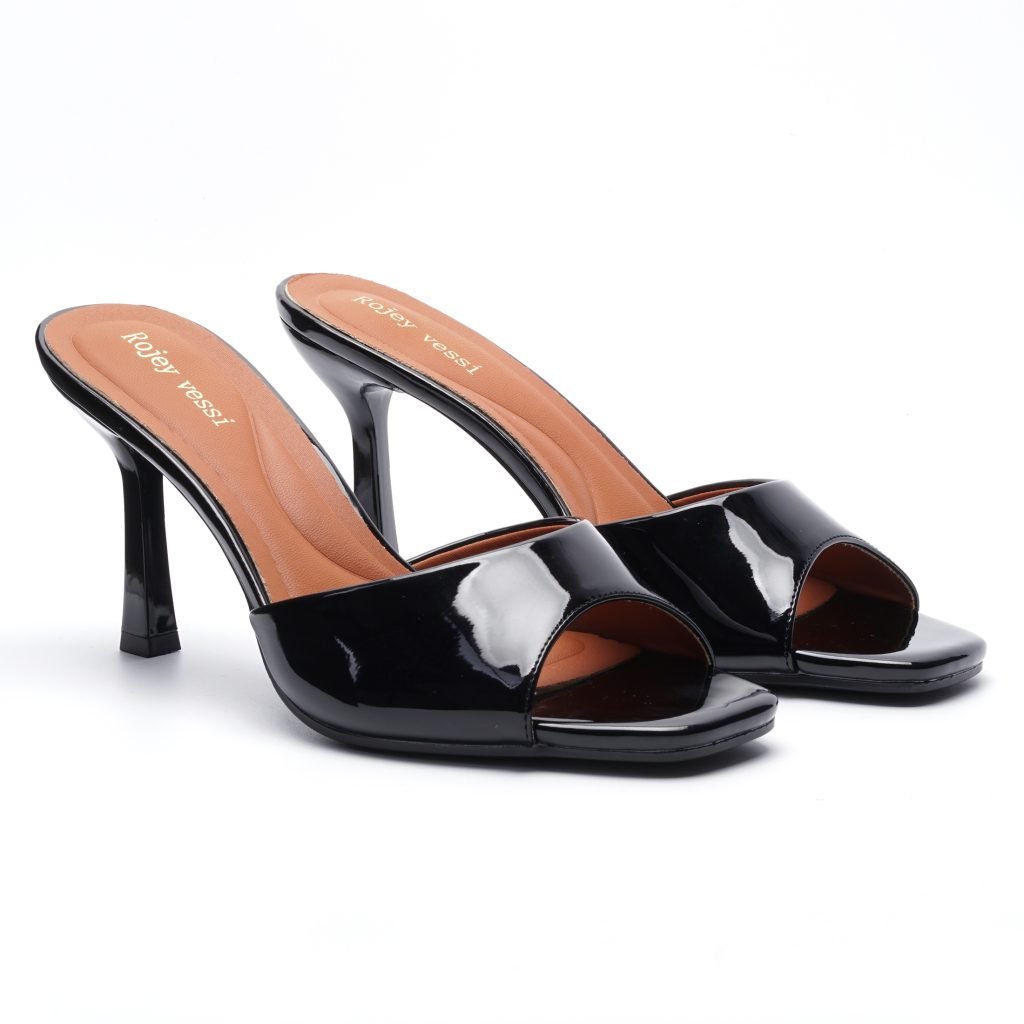
Identify the version already approved
Start with the order reference, style code, colour and sample ID. List the drawings, size information, material descriptions and packaging files that belong to the current approval. Give the set a revision name and date. If the supplier and buyer hold different versions, resolve that mismatch before discussing a replacement detail.
Keep the reference specific enough that someone outside the original conversation can identify it. A photograph of a similar shoe is not an approved specification. If there is no confirmed baseline yet, mark the request as development work. Do not present an early quotation or an unanswered message as permission to begin production.
Describe the change and what stays the same
Write the current requirement beside the proposed replacement. Identify the affected component and explain the intended result. For example, a request for a different strap should say whether its width, position, fastening or appearance changes. Attach a marked image when helpful, but include a written description so the meaning survives a forwarded message.
List the requirements that must remain unchanged, such as the approved colour reference, size marking or logo location. Ask the supplier to flag any connected change rather than assume it is included. A heel change may need a construction review; a lining substitution may need another fit review. The supplier must assess the actual combination.
Check the stage of the order
Ask what has already been approved, purchased, cut, assembled or packed for the affected line. Record the answer with a date. Do not assume an email stops work automatically. If you need a pause, state the affected style and quantities and ask for confirmation of what can be held while the decision is reviewed.
For available stock, a requested alteration may require a different buying route instead of a simple amendment. For custom production, unused materials and work already completed can affect the options. Ask for a written proposal. This article gives no standard cancellation right, free-change allowance or promise that an alteration is technically possible.
Review samples, costs and timing together
Ask whether the proposed change needs a new swatch, revised sample, fit assessment or another inspection point. Set out who will approve it and what evidence is required. Approving a new logo file does not approve a changed shoe construction. Keep each decision tied to the part of the order it actually covers.
Request an updated quotation and schedule where relevant. Identify development charges, unit-price changes, packaging effects and any revised quantity requirement separately. Confirm which earlier terms remain valid. A small visual adjustment may still involve new sourcing or approval steps; do not promise your customers the old delivery date until the supplier reconfirms it.
Approve the replacement version explicitly
Use clear states such as requested, under review, approved or rejected. When approval is given, name the exact revision and the order lines it applies to. Record the decision maker and date. An acknowledgement that a message was received is not necessarily approval of its contents or confirmation that the change has reached production.
Send one final change summary to the people handling purchasing, production and inspection. Archive the old files and label them superseded without deleting the history. Ask the supplier to confirm receipt of the replacement set and identify any unresolved points. Avoid leaving two different files both named final in active use.
Keep a compact change log
Use one entry per change. Keep the request, impact review and final decision together, with links to the relevant sample or file. The fields below form a working record; they do not confirm an order or establish a supplier guarantee.
| Change record field | Information to confirm |
|---|---|
| Original approval | Order, style, colour, sample ID and current revision |
| Requested difference | Old requirement, proposed replacement and unchanged details |
| Impact review | Work status, sample checks, quotation and schedule effects |
| Approval decision | Approved revision, responsible person, date and affected lines |
| Implementation check | Supplier acknowledgement and evidence from the affected batch |
Check implementation and future reorders
Before dispatch, ask the inspector to use the revised specification and sample. Check the changed detail and the connected requirements identified during review. If a batch contains more than one approved version, agree how the versions will be separated and identified. Record discrepancies against the applicable revision rather than an obsolete photograph.
Carry the approved revision into your product listing and reorder brief. Confirm whether the next purchase should repeat that version or reopen a previous option. NASA’s public engineering guidance describes documenting baselines and communicating approved changes to affected teams. The same recordkeeping principle is useful here; it does not make this checklist a footwear standard.
Buyer questions
Can I approve a change through a chat message?
A message can record a decision if it identifies the exact revision, scope and approver. Preserve it with the order documents and ask the supplier to confirm which version will be implemented.
Does one approved sample cover every later change?
No. Ask which parts of the earlier approval remain applicable and which need review. A change in material or construction should not silently inherit a fit or appearance decision for another version.
Can a reorder use the previous specification automatically?
Attach the intended approved revision to the reorder and request confirmation. Check any material, component or packaging substitutions before treating the repeat order as equivalent.
Related buying resources
Recordkeeping references
These engineering references explain baselines and change communication. The footwear workflow is original purchasing guidance, with no claim of NASA approval or factory certification.
Continue reading
SKU and label preparationPrivate Label High Heel SKU and Barcode Labels: A Buyer Checklist
Published:
A shoe can look right and still reach the wrong shelf if its label points to another colour or size. Before a private label or wholesale order is packed, connect your product records to the supplier’s references and approve the labels against that same list.
Read articleColour approvalHigh Heel Colour Approval: A Checklist for Wholesale and Private Label Buyers
Published:
A colour name helps you shortlist shoes, but it does not tell a supplier which shade, surface or component combination to reproduce. Use this checklist to turn a high heel colour choice into a reference that the buyer, supplier and inspection team can all use.
Read article