
High Heel Colour Approval: A Checklist for Wholesale and Private Label Buyers
A colour name helps you shortlist shoes, but it does not tell a supplier which shade, surface or component combination to reproduce. Use this checklist to turn a high heel colour choice into a reference that the buyer, supplier and inspection team can all use.
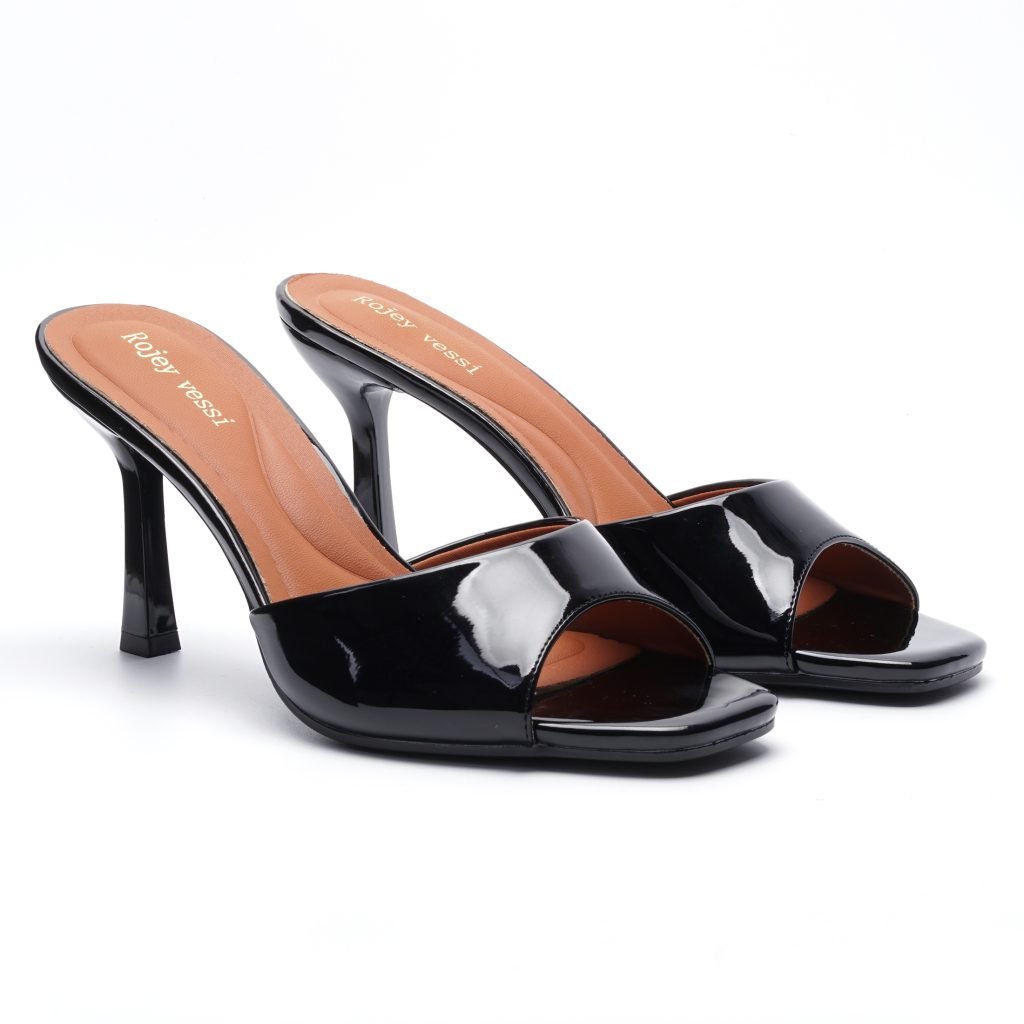
Choose a physical colour reference
Start with the exact style code, proposed colour name and the part of the shoe you want to match. A showroom pair, an approved piece of material or a physical colour chip can start the discussion. Label the reference with an identifier and a date. Send the supplier a copy that you have checked against your own retained reference, or agree who holds the original.
Make it clear whether the reference is a target or only inspiration. A colour chip on paper may communicate the hue, but the approval should describe how it is meant to look on the intended surface. Ask for a swatch of the proposed material and finish before accepting a shade for production. Record any differences you are willing to accept.
Approve the parts together
List the visible parts separately: the upper, heel covering, straps, outsole edge and any hardware that matters to the design. Some parts should look coordinated rather than identical. State which parts must match closely and which are deliberate contrasts. For a private label range, confirm whether the inside branding or packaging has its own colour target.
Review the assembled shoe as well as individual swatches. Place the left and right shoes side by side, then look at the pair from the angle customers will see on a shelf or product page. Check the transition between components. An acceptable swatch does not settle how glossy and matte surfaces will look next to each other.
Agree how to compare samples
Compare the physical samples side by side under the same light, with a neutral background and a consistent viewing angle. Agree on a primary light condition and a second condition relevant to how the shoes will be sold. Two materials may appear to match under one light and separate under another, an effect known as metamerism.
CIE D65 is a standard reference representing daylight. If you specify D65, ask how the supplier will reproduce the viewing condition; a lamp marked 6500 K alone does not define its full spectrum. Write down the agreed method. Use photographs to show the location and direction of a difference, but avoid using an uncalibrated screen image as the sole acceptance reference.
Define an acceptable range
Ask whether the order will be checked against a single approved sample or against agreed physical limits. If slight variation is acceptable, mark an approved lighter and darker boundary where useful, and note whether hue, gloss or texture can also vary. Compare those boundaries on the intended material. Describe an unwanted shift clearly, for example a red that becomes noticeably orange.
Avoid adding a universal numerical colour tolerance to a purchase order. If both teams use instruments, agree on the measurement method, settings, sampling locations and acceptance criteria before relying on a number. A reading taken on a flat swatch does not automatically settle the appearance of a curved, textured or reflective part. Keep the agreed visual check in the record.
Confirm what approval releases
For a stock order, ask which available lot the supplier can show and confirm that the actual lot is the one being offered. For a custom order, identify the approved swatch or assembled sample that production should follow. Keep shade approval separate from availability, quantities and commercial terms. Ask to review any proposed material or finish substitution before it is used.
Write the approved reference ID and revision on the order paperwork. Note whether approval covers the whole shoe or only a named component. Send the same record to purchasing, production and inspection. If a revision is still open, identify the decision maker and what must be sent for review, instead of marking the colour as approved.
Keep a colour approval record
Use one record per style and colour combination. Attach reference images for identification and keep the physical samples where the responsible teams can retrieve them. These fields help make a decision traceable.
| Approval record field | Information to confirm |
|---|---|
| Reference and revision | Style, colour name, physical reference ID and date |
| Component targets | Parts to match, intended contrasts and surface finish |
| Viewing conditions | Agreed lights, background and viewing angle |
| Acceptance limits | Approved sample or boundary samples and exclusions |
| Release decision | Approved scope, pending changes, owner and approval date |
Check the lot and keep the reference for reorders
Before dispatch, compare the agreed selection of pairs with the approved reference. Look for a left and right mismatch and check the named components under the agreed conditions. Record the affected style, colour and lot if a mismatch appears. Follow the agreed process for holding, reviewing or releasing the affected goods.
Keep the approved sample and its record after the first order. For a repeat purchase, ask whether the materials, finish or lot have changed. Request a fresh comparison when a change could affect appearance. Update product photos and colour names only when they represent the approved item and its selling information.
Buyer questions
Can I approve a colour from a phone photo?
Use it to shortlist or point out differences. Unless both teams have agreed a reliable image-based method, check a physical sample before treating the shade as approved.
Should the heel and upper always match exactly?
No. Decide where a close match matters and where contrast is intentional. Review the combination on an assembled pair and record the requirement for each part.
Does colour approval confirm the bulk order?
It confirms the colour and scope stated in the record. Confirm the lot or production arrangement, quantities, price and timing separately with the supplier.
Related buying resources
Technical references
These references explain viewing conditions and metamerism. The checklist is purchasing guidance and does not establish a product test result.
Continue reading
Sizing and sample approvalHigh Heel Size Charts: What Wholesale Buyers Should Confirm
Published:
A size number is not a complete buying specification. Before ordering wholesale high heels, connect the supplier’s size chart to the exact style, the intended customer and a checked sample. This guide helps buyers organise that conversation without assuming that a conversion table guarantees fit.
Read articleWholesale buying operationsWholesale High Heel Reorder Planning: Track Style, Colour and Size
Published:
A strong first order does not automatically tell you what to buy again. Plan your next high heel purchase by separating style demand from colour and size availability, then confirm the supply route before committing to quantities.
Read article